


We have our “roaring 20s” after all, with the astonishing rise of AI, the prospect of a robotic era, with unprecedented capital spending by the leading tech behemoths, notably in the US and China. We are likely living through another epoch-defining technological revolution, comparable to the printing press, steam engine, and more recently the computer and the internet. Very soon AI agents will have taken over routine tasks in offices and homes, transportation will have become largely autonomous and we will discuss space exploration that could include regular trips to the moon.
There’s also a lot of skepticism about the general benefits of the new tech. Autonomous vehicles, to start with one of the most amazing innovations of late, these days receive a bad rap. In the US, where the technology is advancing at a fast pace, robotaxis have obstructed ambulances and driven passengers into flooded areas. They also take the jobs of hardworking drivers, we are being told. While much can be improved, rejection has in many cases turned ideological and categorical. De-growth zealots are pushing arguments that sound similar to those that accompanied the advent of the automobile or electrification of our cities, expressing the fear of facing the new thing that vastly improves our standards of life.
AVs have been showing convincing numbers when it comes to lessen human tragedy on the road. Waymo claims to be able to reduce injury-causing crashes by up to 85%, based on data it collected over its more than 200 million driverless miles. Regarding serious injuries or deaths, the data is even better. And their vehicles are still at the beginning of their learning curve…
We first experienced self-driving cars and Waymo in San Francisco in late 2024, when the service was only available to the public for a few months. The first encounter with the technology is striking. There is a fleeting moment of trepidation when the vehicle sweeps into motion for the first time. But the moment the journey ends, only one thought remains: let’s do it again!
Reviewers of AVs like to describe how the car is able to change lines on its own, stop at traffic lights and let pedestrians cross the road. Of course that’s what it does! The revolution here is much more profound. There’s no conductor, so you, the passenger, are in charge. You adjust the temperature, put on your own music and sit back like a boss, getting chauffeured around flawlessly by a powerful computer.
Stepping into the future
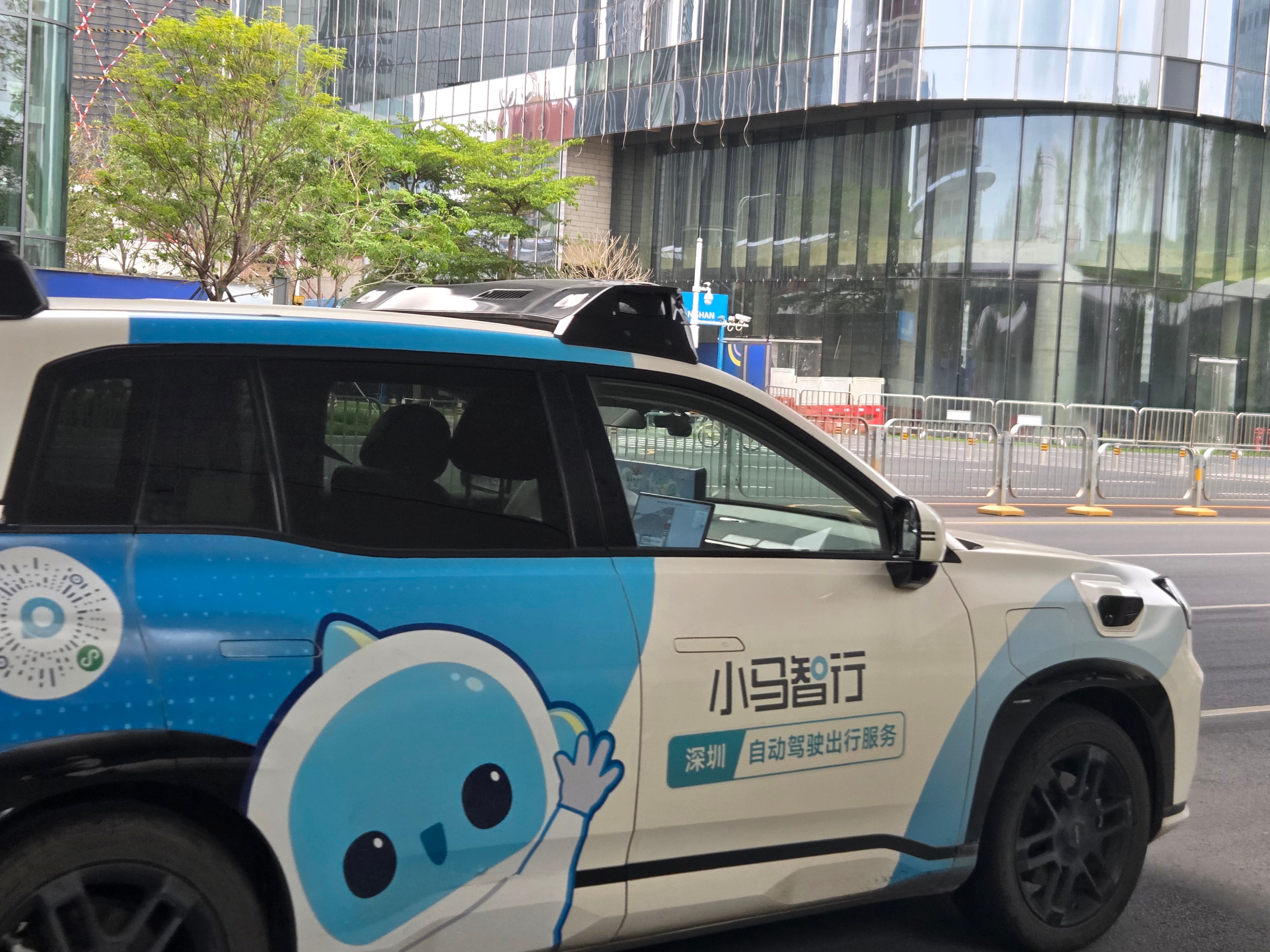
When visiting Shenzhen in May, we had to try Pony.ai, which operates in the city. Although the company has an English app, signing up was a bit difficult. Google’s app store is not available in China, so we had to fall back on a local-language clone. After finding and downloading the app, everything else went smoothly.
Pony.ai, which operates 1,700 robocabs in over 20 cities globally, hasn’t had any reported injuries—or worse—involving customers. One empty robotaxi caught fire last year. Its AVs use Nvidia’s Drive platform and Orin X chips, which do the actual magic. Pony.ai claims that the latest version can perform about 4 quadrillion AI calculations per second.
At the core of Pony.ai’s philosophy is its world model. It assumes that the AI is showing driving behaviors that are different from a human driver, the surrounding traffic will therefore react differently. The only way to learn is to put it on the road. More driverless operations lead to better data, a stronger onboard model and more level 4 deployments. Once that loop starts, it compounds, the company says. Improvement becomes self-guided.
The Hong Kong and Nasdaq-listed firm just reported that its revenue is forecast to surpass by more than 3.5 times that of last year and that it will expand its fleet to more than 3,500 vehicles by the end of this year. It also said that its Gen-7 robotaxi already achieved a positive per-vehicle operating profit in Guangzhou. In February, operations in Shenzhen also returned a profit at a per-vehicle basis.
Pony was unaffected by a Chinese government “rectification campaign” that followed a major disruption of market leader Baidu-owned Apollo Go in Wuhan, which had left hundreds of its robotaxis stranded during rush hour.
During our Shenzhen ride, the Pony.ai car stopped abruptly a couple of times—for a short while—when it was passing a crowded city centre with cyclists and pedestrians crossing left and right (captured on video). The virtual assistant on the screen promptly apologized.
In Singapore, Pony.ai in April started testing with a safety driver/assistant in the Punggol district, in collaboration with local transport firm ComfortDelGro. Similarly, its competitor WeRide, number three in China, is running trials in the same neighborhood, together with Grab. It’s baby steps for the AV companies that are already able to deliver much more. We hope for a swift rollout across the island.