
Your favorite holiday destination could soon also become a world-class fintech hub. The tropical island that has been attracting digital nomads for years has been shortlisted as a likely location for the planned Indonesia International Financial Center.
Bali is expected to lure international capital and finance professionals, such as bankers, insurance brokers, and capital markets specialists. It could be servicing assets from treasuries to bullion and derivatives, catering to Islamic finance and family offices, as well as fintech firms.
In order to appeal to global investors, the Indonesian government is preparing a range of incentives, including golden visas, capital repatriation guarantees and the promise for tax relief. Estimates see possible inflows of capital between IDR 300 trillion (USD 17 billion) and IDR 500 trillion.
The idea is not far-fetched. Bali stands out due to its international reputation, connectivity, and first-rate tourism industry. Its MICE sector is thriving, with high profile international events, such as the G20 meeting in 2022. The so-called Bali Fintech Agenda emerged in 2018 from the annual meeting of the International Monetary Fund and World Bank.
The new Dubai?
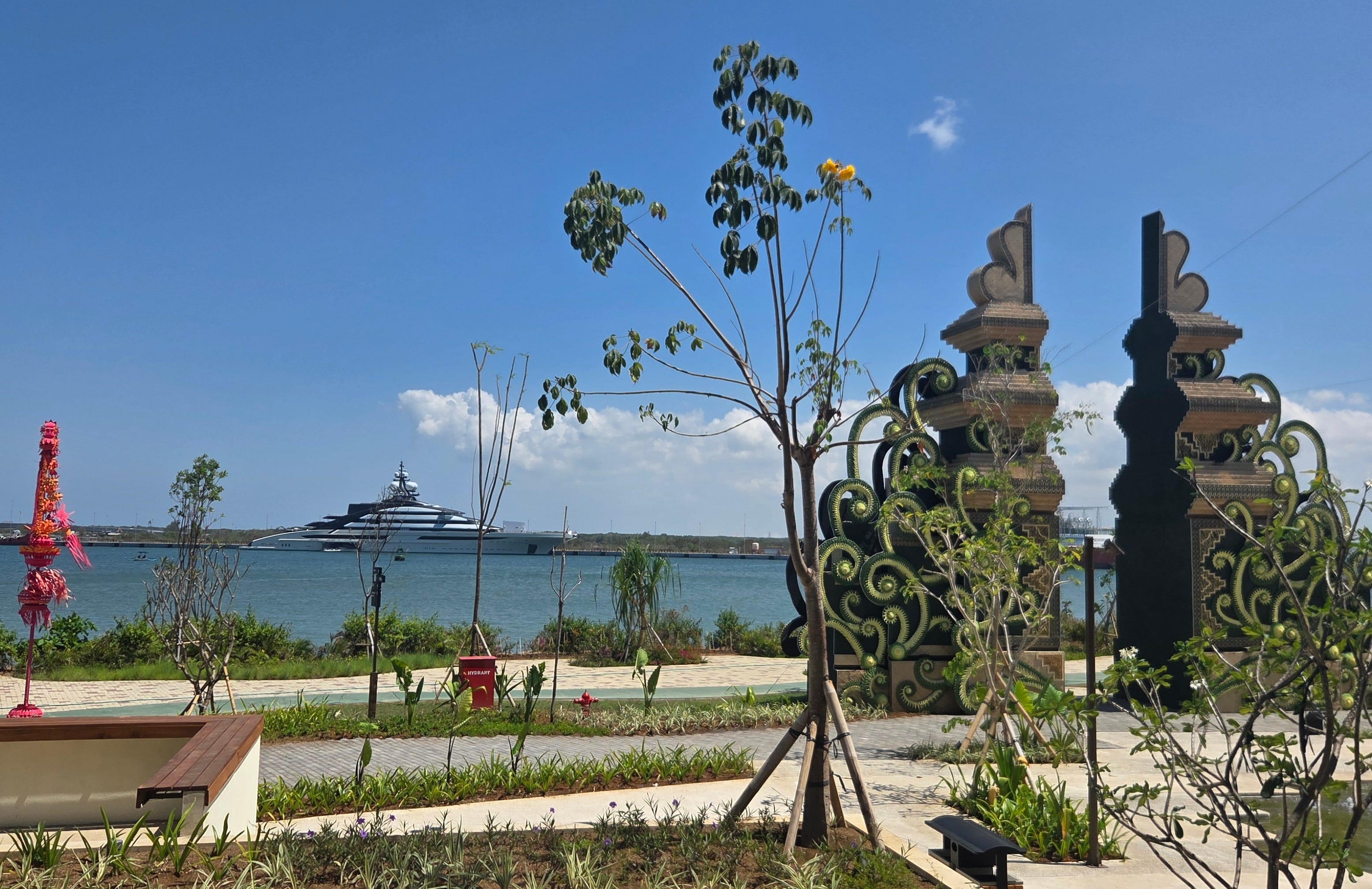
Coordinating Minister for Economic Affairs Airlangga Hartarto said at the end of August that the proposed site for Bali was still under evaluation. The targeted location would be Bali's Special Economic Zone, a spot named Kura Kura, situated on 500 hectares of largely reclaimed land on Serangan island, only minutes away from the Ngurah Rai International Airport.
When this author visited it last week, the area—with vast stretches of mangrove forest—looked more like a conservation zone than a place that could house financial institutions. A shopping mall filled with plenty of luxury brands stood mostly empty.
The COO of Danantara Dony Oskaria nevertheless compared the project already to the Dubai International Financial Center, which developed a hub with 50,000 professionals, offering corporate tax exemptions for up to 40 years.
Indonesian media criticized the initiative. The legal immunity and zero-tax status for family offices in Bali would create a potentially systemic money-laundering loop. “Illicit funds could be laundered into state-sanctioned financial assets without prosecution risk, then funneled into family offices that offer asset protection through trusts and special purpose vehicles with no requirement to disclose ultimate beneficial owners,” wrote the Jakarta Post.
Measures of this nature undermine the credibility of Indonesia's financial system and threaten its membership status in the Financial Action Task Force (FATF), said Mahfud MD, a former minister and legal academic.
Financial worker’s paradise
For finance professionals, a career move to the island could be alluring. Bali so far has attracted primarily the nomad variety of fintech professionals. The number of hopefuls equipped with laptops and phones, running their small startups or acting as freelancers to businesses overseas, gained in popularity in the aftermath of the pandemic.
The laid-back western lifestyle sometimes clashes with local Balinese culture and indigenous customs. When a group of Dutchmen started a running club that didn't admit an Indonesian woman, the ensuing online outrage alerted authorities. Director General of Immigration Hendarsam Marantoko said that this form of “creating a state within a state” was not tolerated and that the Dutchmen were not allowed to come back.
Officials have been becoming more diligent screening for overstaying tourists and reminded nomads entering on tourist visas that posting content online for revenue, payment, sponsorship or other commercial purposes is in breach of visa conditions, even if content is published after they have left the island. “It’s illegal to work, conduct research or volunteer if you’re on a tourist visa,” a website for expats warned.
Indonesian authorities have established a special task force to conduct patrols in areas with high concentrations of foreign nationals across Bali as part of efforts to tighten oversight into their activities. Between January and June 2026, the immigration directorate deported over 300 foreign nationals from 60 countries, for violations that included overstaying and misuse of residence permits.
According to Indonesia's Ministry of Immigration and Corrections, foreign nationals who plan to create content in Indonesia must at least obtain the C5A content creator visit visa that exists in a revised version since May 2025. There are only sparse official figures of approved visas for long-term stay, such as the E33G remote worker visa that requires a minimum salary of USD 60,000 per year. Estimates suggest that there are at least 3,000 of these registered long-term digital nomads in the country.
Today, no major fintech companies call the island their home. Indonesia's digital finance firms and specialists remain nearly exclusively based in Jakarta. Bali’s new financial center will likely attract global VCs first, says Yoko Simon, a partner at Pillar.ai, which helps financial firms automate their sales operations. It could certainly incentivize overseas talent to return to Indonesia, he believes.